The place where you will find news about Grosvenor, office fit out, office refurbishment and anything to do with the Office Furniture industry or anything that we like that or that we think you would find interesting.
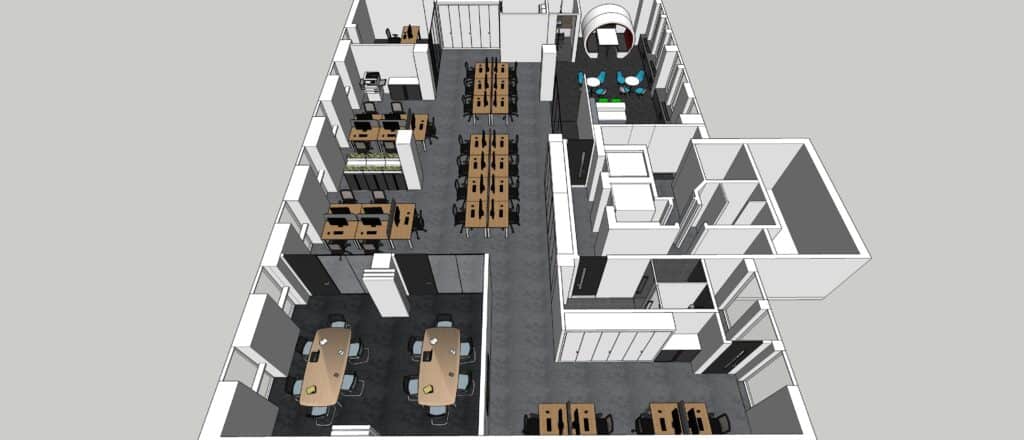
Did you know Grosvenor Workspace Solutions are experts in Office Space Planning & Workspace Analysis? We know that all successful office design projects start off by identifying […]
Let Grosvenor Workspace Solutions inspire you. A new workspace office design style is an opportunity to inspire your employees and remodel your business from top to […]
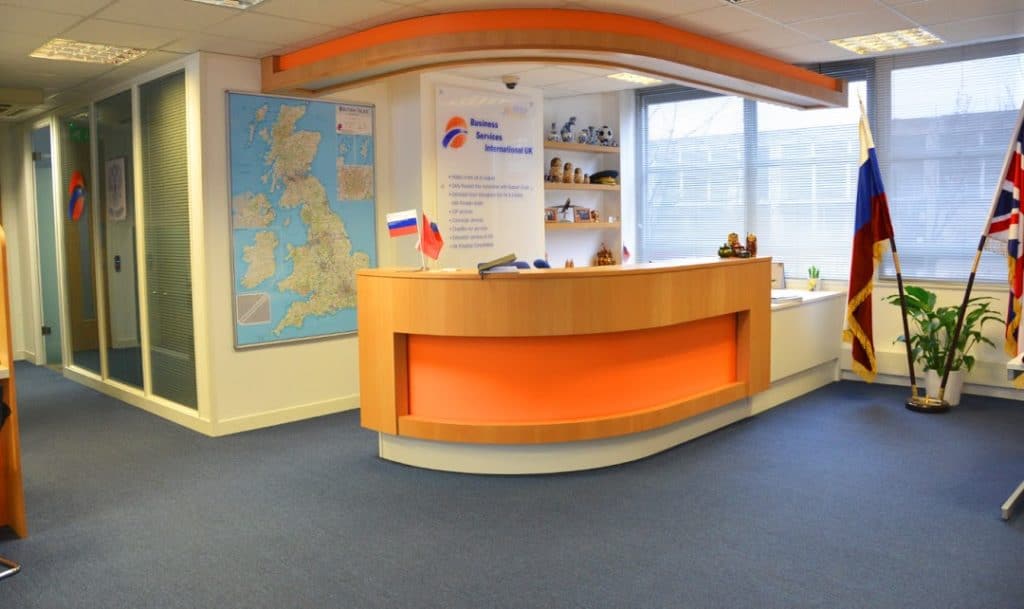
🏢 Government 📏 4,250 sq. ft. ⌛ 6 Weeks 📍 London, W8 The Russian National Office, home to the largest Russian travel & tourism group in the UK, instructed […]
Whilst trying to stay productive during the lockdown, I was recently asked an interesting question – How does Grosvenor enable its clients to save money […]
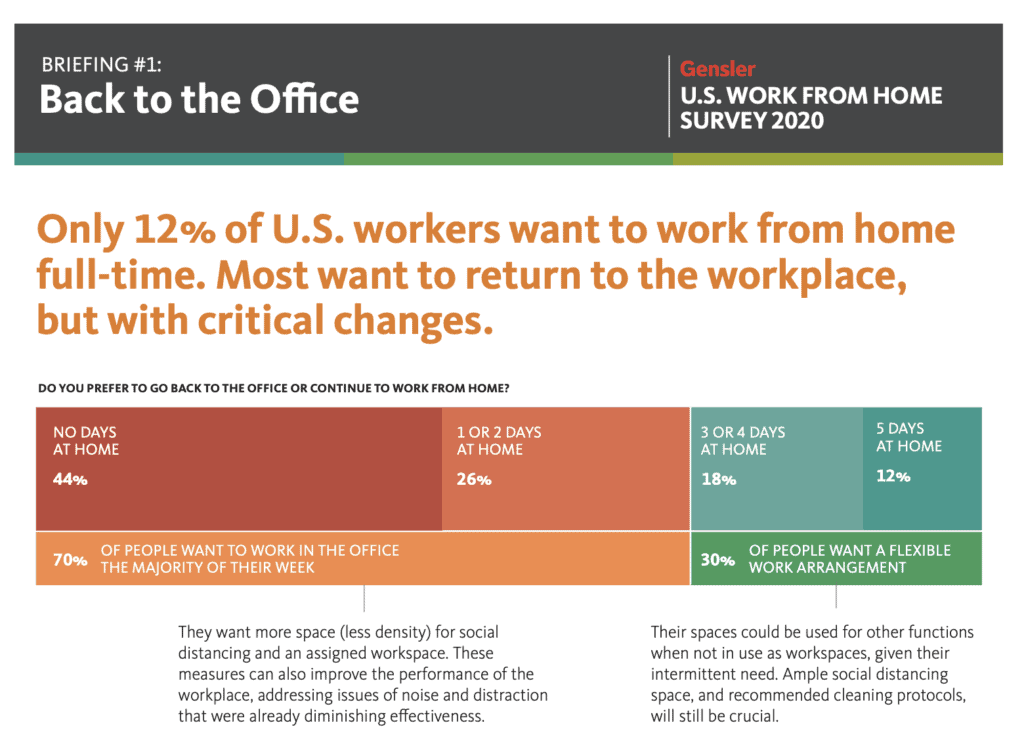
Here is some amazing guidance from Scottish Enterprise which includes planning innovative ways of working to help your employees return to work safely and how […]
After having the same brand for the last 8 years, this year, (staying productive during the lockdown...!),Grosvenor Workspace Solutions embarked on a complete refresh of our […]
🏢 Sector: Pharmaceutical📏 18,000 sq. ft.⌛ 20 Weeks📍 London, WC1 Major US pharmaceutical company, BioMarin, that engages in the research, development, production, and sale of pharmaceutical products throughout the […]
Are you looking to relocate your office, but still searching for that ideal space? Grosvenor Workspace Solutions are here to help you relocate. We will […]
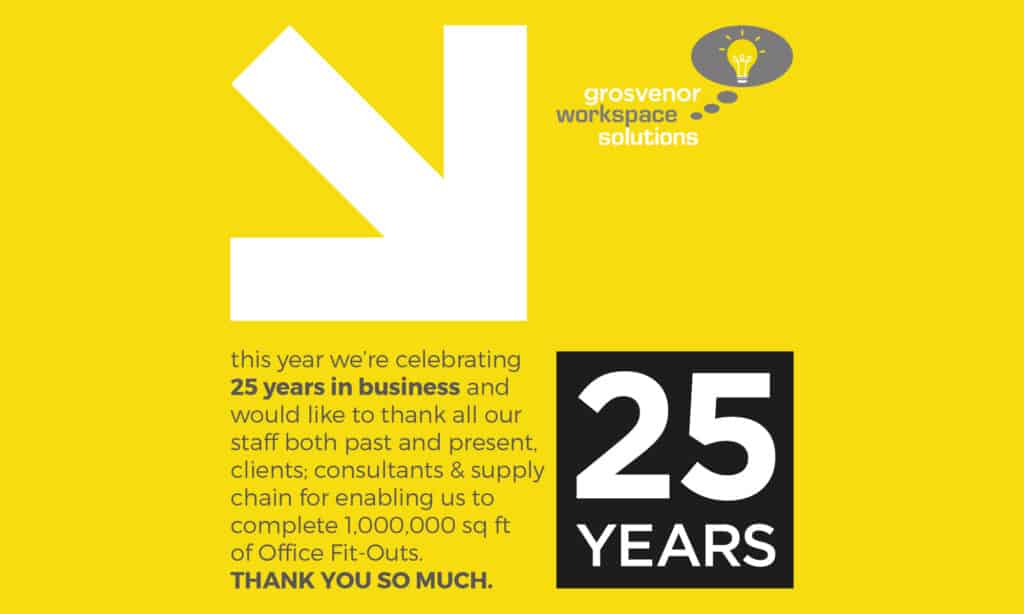
We are delighted to announce that this year we’ll be celebrating our 25th Business Anniversary! We wouldn't be here without our amazing team (both past […]
Events company, Peppermint, instructed Grosvenor Workspace Solutions to transform their office space using our refurbishment program which we completed in just under 10-weeks! The old […]
After a glowing referral, a leading international lighting design consultancy asked Grosvenor Workspace Solutions to design and build their new 5,500 sq ft UK Headquarters […]